“All progress takes place outside the comfort zone.”
Michael John Bobak
Last week we focused on how to achieve a weight-loss fitness goal. This week we will touch on another common fitness goal: gaining lean muscle.
I’m going to discuss what kinds of exercises you can incorporate into your gym-time to help you feel your best, meet your goals, and relieve some of the initial stress from figuring out where to begin. I have especially been looking forward to writing this post because gaining lean muscle is my current personal fitness goal. This means that the tips provided below are the lessons I’ve learned recently. I can’t wait to share them with you.
Disclaimer: I am not a professional or personal trainer by any means. These are just some tips I’ve discovered along the way!
“I would feel my best if I started gaining lean muscle.”
Tip #1: Start Small & Ease Your Way
We all have to start somewhere and with weight-lifting specifically, it’s best to start small. I remember feeling incredibly embarrassed during my first upper-body workout because I was visibly STRUGGLING with the tiniest weights. Before to this workout session, I really had no reason to ever lift anything above my head…ever. What I’m basically trying to say is that I had zero upper-body strength whatsoever.
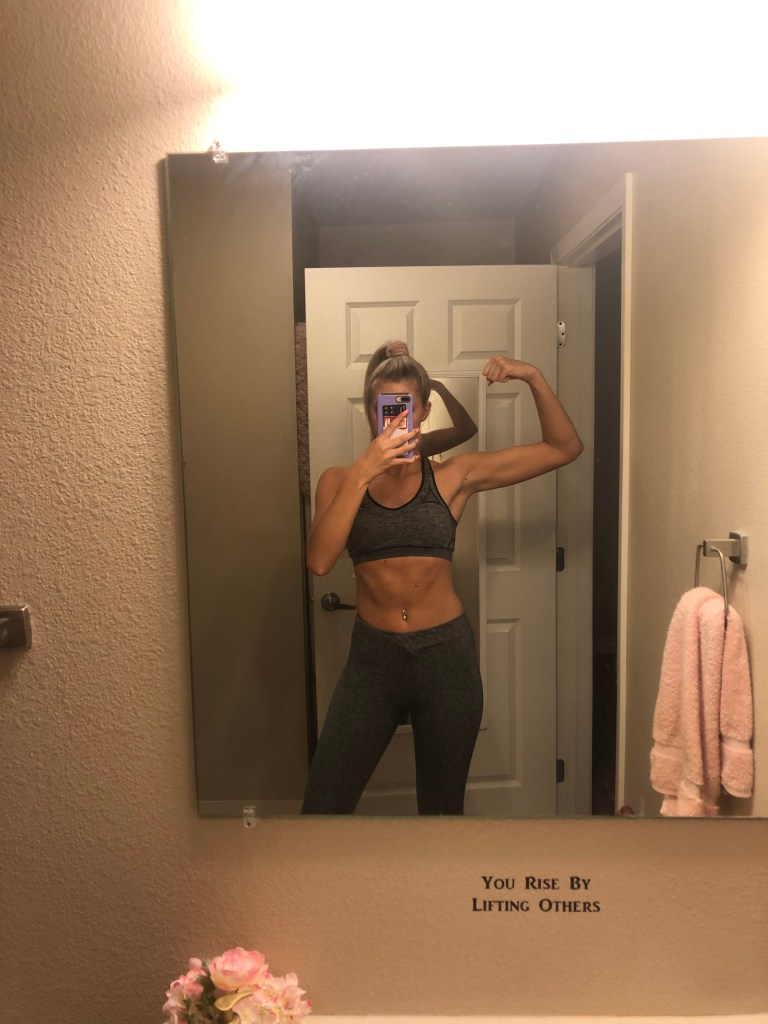
To put things into perspective: I started lifting with a range of 8-12lbs. free-weights on most exercises. Now, 1 year later, my range has only gone up to 10-20lbs. I say this because even though my weight range didn’t increase an excessive amount from last year, I still have gained a noticeable amount of upper-body muscle throughout this year.
It’s important to not force yourself to increase your weight until you feel truly ready. This leads me to my next tip.

January 2019; No arm definition 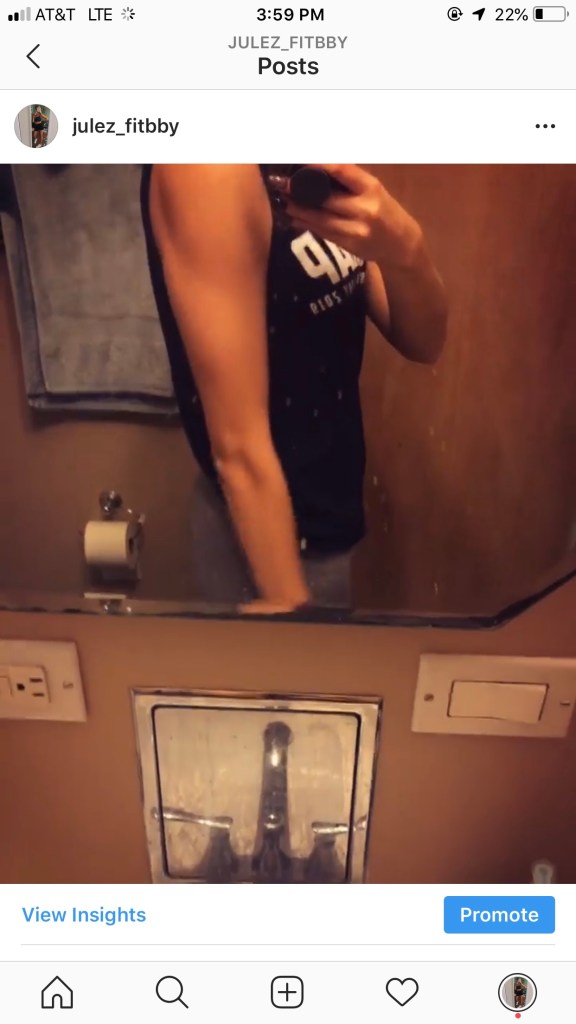
December 2019 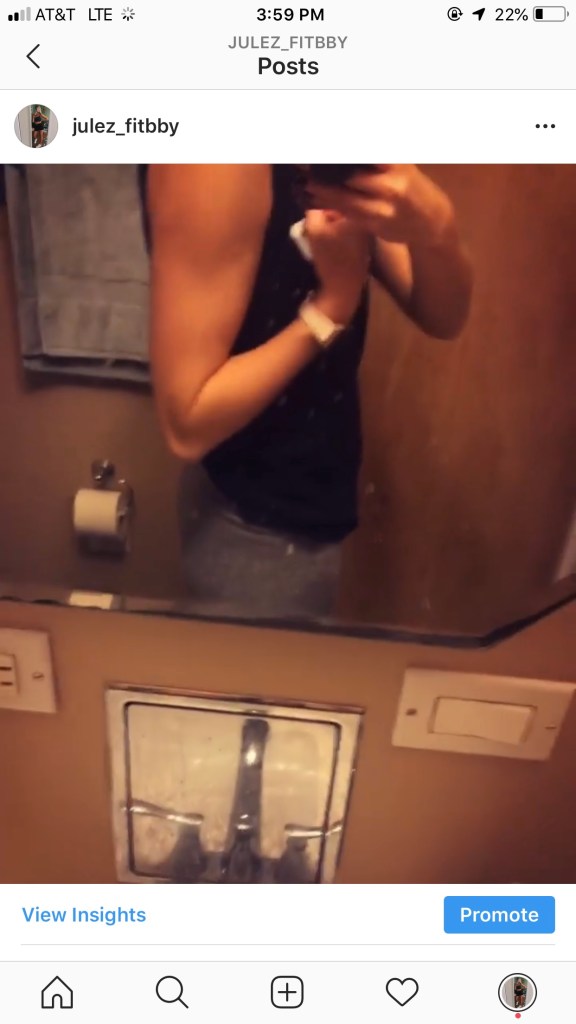
December 2019
Tip#2: Push Yourself, but Not too Much
It’s great to feel “pain” in the gym because that means we’re actually doing something! However, “no pain, no game” is not equivalent to “lift as much as you can until you eventually get an injury”.
Injuries suck and they are SO easy to get when weight-lifting if you aren’t careful. While it’s important to push yourself in the gym, this should be done in a healthy way that doesn’t make your body feel sharp pain instead of soreness after your workout.
The way that I gauge whether or not I’m pushing myself enough/doing too much is by testing to see how I feel during the last 1-2 reps of each set. The first 8-9 reps should feel doable, whereas the last 1-2 reps should be a little bit of a struggle but not forced. The burning sensation in those last few reps should be felt in the targeted muscle and you shouldn’t have to change your form to make those last reps happen. This method ensures that you are pushing yourself to where your muscles are breaking apart but not to the point of straining. (aka gaining muscle vs. injury)
Tip #3: Perfect Your Form
Form quite literally makes or breaks you in the gym. One wrong move and BOOM…your back is broken. *That was a little dramatic, but you get the point* Having the right form not only prevents injury but also makes sure you’re targeting the right muscle.
Last week I asked my friend Allie Pesche to help me with my squat form because I’ve been having pain in my lower back and knees. I’ve also only felt the burning sensation in my quads when doing squats, even when trying to target my glutes. After a full year of intensely exercising, I discovered that I have been doing squats wrong this entire time.
Once Allie corrected my form, I had the best lower-body workout I’ve had in months. I left the gym feeling sore in the places I wanted without having back and knee pain.
Form is an investment. Start out strong by watching videos and doing the research before starting your weight-lifting journey. Your body and overall progress will thank you later.
Tip #4: Minimal Cardio
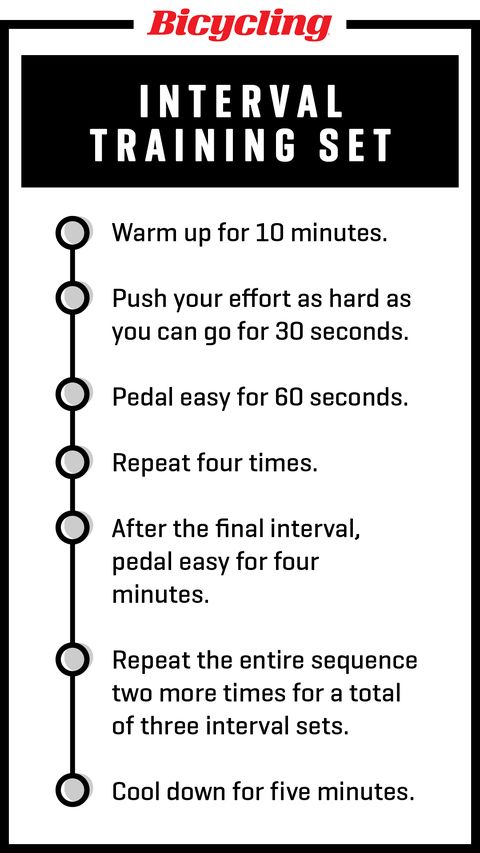
Even though lifting will be your primary focus when developing muscle, it is still important to include cardio into your routine. I personally like to do 10-15 minutes of cardio after I lift. This helps me stay lean and keep my heart healthy and endurance up.
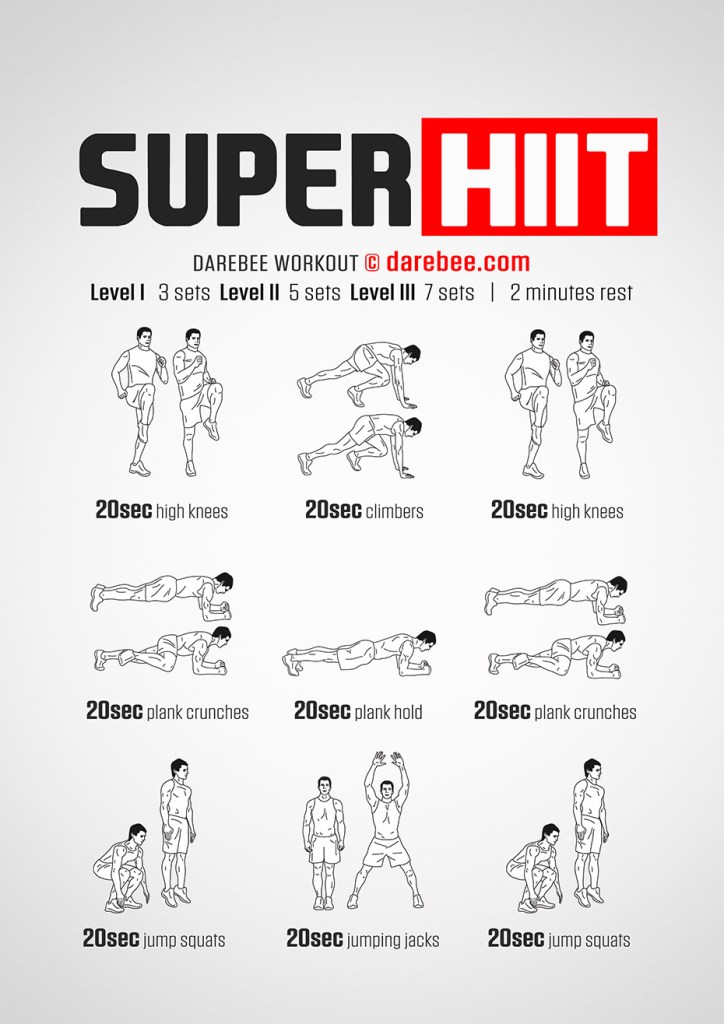
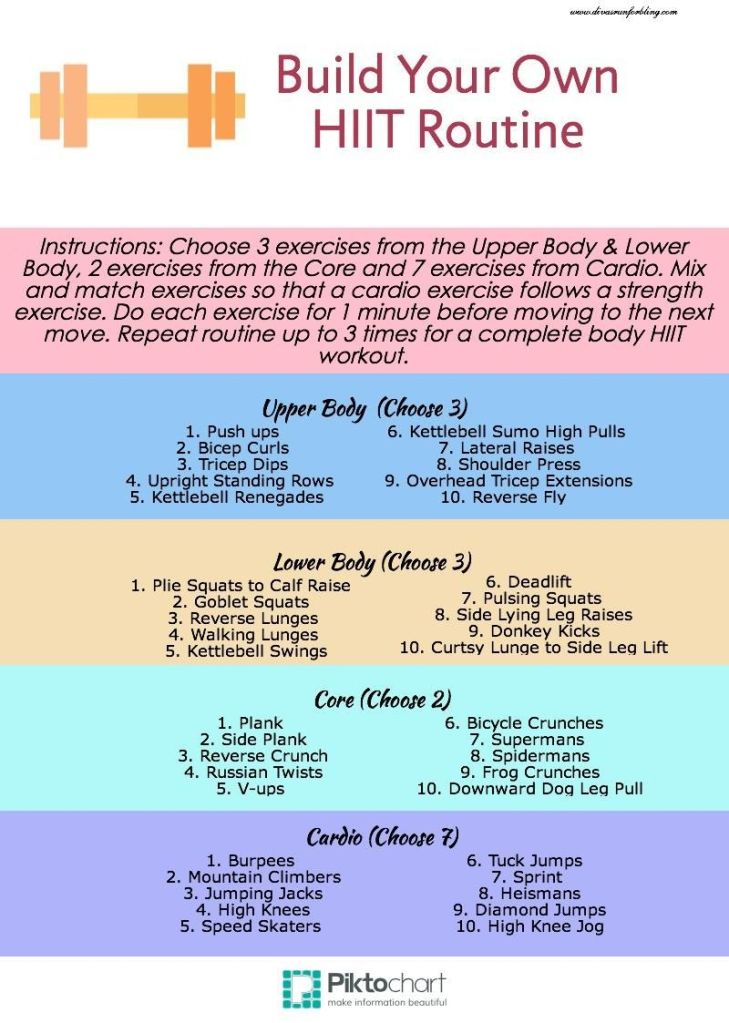
P.S. HIIT workouts (mentioned in the last post) are my favorite kind of cardio because they include weighted and core exercises!
Tip #5: Rest
I cannot stress this enough: your body NEEDS rest. You are not going to meet your fitness goal by working out for hours and hours every day of the week.
Think about it like this: you know that occasional feeling you get when studying where nothing seems to stick in your brain? Maybe you’re tired or hungry, or maybe you’ve just simply reached your mental capacity. Regardless, you know that you need a break because otherwise, you’re just wasting your time at this point. After eating your snack or taking a brain break, you get back to studying and magically the material is clicking again.
How does this scenario apply to fitness? Your rest days are your body’s brain breaks. If you do not allow your body time to heal, it will not perform to its full potential for you in the gym. Allow yourself a minimum of 1-2 rest days a week, and each day alternate targeted muscle groups so that you aren’t overworking one part of the body.
Listen to your body–it will tell you what it needs.
Tip #6: Proper Diet
Sometime around April of 2019, I started to question why I wasn’t gaining muscle. It had been almost 4 months of consistently working out and I had minimal definition. It finally occurred to me that my slow progress was because I wasn’t eating enough.
Before I knew any better, I associated upping my caloric intake with gaining fat which freaked me out. Now I know that to grow lean muscle, I need to eat protein to heal the muscles I break apart during my work out. Additionally, I Iearned to incorporate healthy carbs into my diet so that I had more energy during my workouts and throughout the day.
The truth is, you will gain weight when gaining muscle. Read that again. But dont worry, muscle is more dense than fat. This means that a pound of muscle will actually take up less room in your body than a pound of fat.
My advice to you is to not look at the scale, and instead analyze your progress based on how you feel. Because feeling healthy is the whole point, right?
Having the proper diet is an important aspect of both weight-loss and muscle gain. Next week, I’ll be dedicating an entire post to discovering how to eat in a way that aligns with your personal fitness goal.







 Discovering Balance: What Feeling Healthy Means to Me